
Variable Life Insurance Can Be Described As
Choosing life insurance can feel overwhelming, especially with so many types and features. One option that stands out for its flexibility and investment potential is variable life insurance. Many people have heard the name but don’t fully understand what makes it unique. In this article, you’ll learn exactly what variable life insurance is, how it works, its benefits and risks, and how it compares to other insurance types. Whether you’re new to insurance or looking for deeper insights, this guide will help you decide if variable life insurance fits your needs.
What Is Variable Life Insurance?
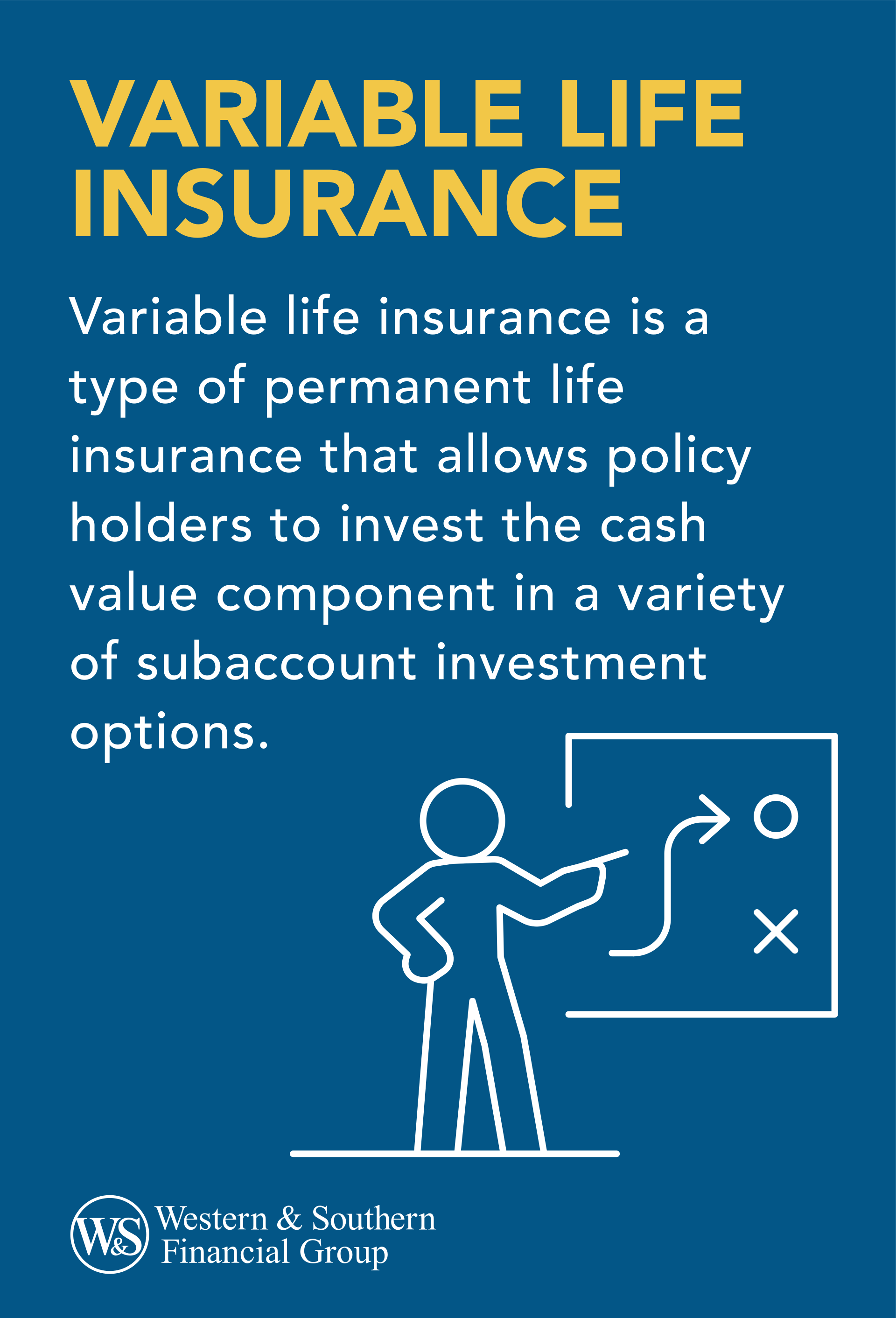
Variable life insurance is a type of permanent life insurance. This means it provides coverage for your entire life, as long as you pay the premiums. But what makes it different from other permanent policies is the investment element. With variable life insurance, a part of your premium goes into investment accounts called sub-accounts. These are similar to mutual funds, and you can choose how your money is invested. The value of your policy can grow or shrink based on how these investments perform.

Here are some key features:
- Permanent coverage: The policy remains active for your lifetime.
- Investment options: You can select from a range of funds, including stocks, bonds, and money market accounts.
- Flexible cash value: The cash value in your policy can go up or down, depending on investment performance.
- Death benefit: Your beneficiaries receive a payout when you pass away, which may also vary with investment results.
Unlike term life insurance, which only offers a fixed death benefit for a set period, variable life insurance combines protection with the chance to grow your money.
How Variable Life Insurance Works
Understanding how variable life insurance works can help you make smart decisions. Here’s a simple breakdown:
Premium Payments
When you buy variable life insurance, you agree to pay regular premiums. These payments are split into two parts:
- Cost of insurance: Covers the death benefit and administrative fees.
- Investment portion: Goes into your chosen sub-accounts.
You can often adjust your premium payments, but paying less may affect your policy’s cash value or death benefit.
Investment Choices
Variable life insurance offers multiple investment options. You select from a list provided by the insurance company. These usually include:
- Stock funds
- Bond funds
- Money market funds
- Balanced funds
Your investments grow tax-deferred, meaning you don’t pay taxes on gains until you withdraw money.
Cash Value Growth
The cash value of your policy changes with your investments. If your sub-accounts perform well, your cash value increases. If they lose money, your cash value can decrease. This makes variable life insurance riskier than other permanent policies.
Death Benefit
Your beneficiaries receive a death benefit when you die. The minimum amount is guaranteed, but the actual payout can be higher if your investments do well. Some policies allow you to increase the death benefit, but you may need to pay higher premiums.
Policy Loans And Withdrawals
You can borrow against your policy’s cash value or make withdrawals. Loans must be repaid, or your death benefit will decrease. Withdrawals may reduce both cash value and death benefit.
Comparing Variable Life Insurance To Other Types
To understand variable life insurance better, let’s compare it with other popular life insurance types.
| Feature | Variable Life | Whole Life | Term Life | Universal Life |
|---|---|---|---|---|
| Coverage Length | Lifetime | Lifetime | Limited (5–30 years) | Lifetime |
| Cash Value | Variable, depends on investments | Guaranteed growth | None | Flexible, interest-based |
| Premiums | Flexible, higher cost | Fixed, higher cost | Fixed, lower cost | Flexible, moderate cost |
| Investment Options | Yes | No | No | Limited |
| Risk Level | High | Low | Low | Moderate |
| Death Benefit | Can vary | Fixed | Fixed | Can vary |
Variable life insurance stands out because of its investment flexibility and risk. Whole life offers steady, guaranteed growth. Term life is simple and affordable but doesn’t build cash value. Universal life is flexible but usually has fewer investment choices than variable life.
Benefits Of Variable Life Insurance
Variable life insurance offers several unique benefits. Here’s what makes it attractive:
Investment Potential
The biggest advantage is the chance to grow your cash value through investments. If your sub-accounts perform well, your policy can accumulate significant value. This is not possible with term or whole life policies.
Tax Advantages
Money inside your variable life policy grows tax-deferred. You don’t pay taxes on investment gains as long as they stay in the policy. You can also borrow from your cash value without triggering taxes, but withdrawals may be taxable.
Flexible Premiums And Death Benefit
Variable life insurance often allows you to adjust your premiums and death benefit. This means you can change your policy as your financial needs change.
Lifetime Coverage
As a permanent policy, variable life insurance covers you for your entire life. This is important if you want to leave money for your family no matter when you pass away.
Access To Cash Value
You can borrow or withdraw from your policy’s cash value. This provides extra flexibility if you need money for emergencies or opportunities.
Estate Planning And Legacy
Variable life insurance can be a powerful tool for estate planning. You can use it to leave a tax-free inheritance, fund education, or pay estate taxes.
Risks And Drawbacks
Variable life insurance is not for everyone. Here are some risks you should understand:
Investment Risk
Because your cash value depends on investments, it can go up or down. If your sub-accounts lose money, your policy’s cash value and death benefit may decrease. This risk is higher than with whole life insurance.
Higher Costs
Variable life insurance is often more expensive than term or universal life. You pay for the insurance protection, investment management, and administrative fees. If you pay less in premiums, your policy could lapse.
Complexity
Variable life insurance is more complex than other types. You must choose investments, monitor performance, and understand how fees affect your policy. Many people find this confusing, especially beginners.
Policy Lapse
If your investments perform poorly or you don’t pay enough premiums, your policy could lapse. This means you lose coverage and your cash value.
Surrender Charges
If you cancel your policy early, you may face surrender charges. These fees can be high during the first years of the policy.
Who Should Consider Variable Life Insurance?
Variable life insurance works best for certain people. Here’s how to decide if it fits your needs:
- You want life-long coverage.
- You are comfortable with investment risk.
- You want to build cash value and have flexibility.
- You can afford higher premiums.
- You have a long-term financial plan.
If you are looking for simple, affordable coverage, term life insurance may be better. If you prefer guaranteed growth and stability, whole life is a safer choice.
Key Terms Explained
Variable life insurance comes with many new terms. Here are some important ones:
- Sub-account: Investment options inside your policy, similar to mutual funds.
- Cash value: The money your policy accumulates, which you can borrow or withdraw.
- Premium: The amount you pay for your policy, usually monthly or annually.
- Death benefit: The money paid to your beneficiaries when you die.
- Surrender charge: Fee for canceling your policy early.
- Policy loan: Borrowing money from your policy’s cash value.
Understanding these terms helps you make smarter choices.
Real-life Example
Let’s look at a practical example. Imagine you buy a variable life insurance policy at age 35. You pay $3,000 per year. You choose to invest in a mix of stock and bond sub-accounts. Over time, your investments grow, and your cash value increases.
If your investments perform well, your policy could have $80,000 in cash value by age 55. Your death benefit might also increase.
If the market drops, your cash value could decrease to $60,000. If you borrow $10,000 for a home repair, your death benefit and cash value will go down until you repay the loan.
This example shows how variable life insurance offers both growth and risk. It’s important to monitor your investments and understand how changes affect your policy.

Costs And Fees
Variable life insurance has more fees than other types. Here’s what to expect:
- Premiums: Usually higher than term life, sometimes similar to whole life.
- Management fees: Charged for investment management.
- Administrative fees: Covers policy administration.
- Mortality charges: Cost of insurance coverage.
- Surrender charges: Fee for canceling early.
These fees can reduce your cash value growth. Always check the fee schedule before buying.
How To Choose The Right Variable Life Insurance Policy
Choosing the right policy takes careful planning. Here are steps to follow:
- Assess your goals: Decide if you want growth, flexibility, and permanent coverage.
- Compare policies: Look at different insurance companies and their investment options.
- Check fees: Understand all costs, including management, administrative, and surrender fees.
- Review investment choices: Make sure you’re comfortable with the risk and performance history.
- Ask about guarantees: Some policies guarantee a minimum death benefit, even if investments perform poorly.
- Talk to an advisor: Consult a financial professional for guidance.
Common mistake: Many people focus only on the investment options and forget to check the fees and guarantees. Always look at the full picture.
How Variable Life Insurance Is Regulated
Variable life insurance is closely regulated in the United States. The Securities and Exchange Commission (SEC) oversees the investment portion because it involves securities. Insurance companies must follow strict rules to protect consumers. You will receive a prospectus with details about fees, risks, and investment options.
You can find more information from the SEC.
Tax Implications
Variable life insurance offers several tax benefits:
- Tax-deferred growth: Your cash value grows without taxes until withdrawal.
- Tax-free loans: Borrowing from your policy is not taxable.
- Tax-free death benefit: Beneficiaries receive the payout tax-free.
However, withdrawals may be taxed if you take out more than you paid in premiums. Surrendering your policy can also trigger taxes.
Pros And Cons Table
To summarize the main points, here’s a clear comparison of the pros and cons:
| Pros | Cons |
|---|---|
| Investment growth potential | Higher fees and costs |
| Tax advantages | Investment risk |
| Flexible premiums and benefits | Complex management |
| Lifetime coverage | Possible policy lapse |
| Cash value access | Surrender charges |
Common Beginner Mistakes
Many beginners make mistakes with variable life insurance. Here are two non-obvious ones:
- Ignoring fees: People often look at investment performance but forget about fees. High fees can reduce your cash value.
- Choosing aggressive investments: Some new policyholders pick risky funds hoping for fast growth. If the market drops, they can lose cash value and even risk policy lapse.
Always balance growth with stability. It’s wise to review your investment choices regularly and adjust as needed.
Tips For Managing Your Variable Life Policy
If you decide to buy variable life insurance, here are some tips:
- Review your policy every year.
- Check investment performance and fees.
- Adjust your sub-accounts as your goals change.
- Make sure your premiums are enough to keep the policy active.
- Ask your advisor for help if you’re unsure.
These steps help you get the most from your policy and avoid costly mistakes.
Frequently Asked Questions
What Happens If My Investments Lose Money?
If your sub-accounts lose money, your policy’s cash value and possibly the death benefit may decrease. Some policies guarantee a minimum death benefit, but cash value is not protected from losses.
Can I Change My Investment Options?
Yes, most variable life policies let you switch between sub-accounts. You can change your investment mix as often as allowed by the insurer. Some companies may charge a small fee for frequent changes.
Is Variable Life Insurance Good For Retirement Planning?
Variable life insurance can support retirement planning by building cash value and offering tax advantages. However, it should not be your only retirement tool. Consider other options like 401(k)s and IRAs for more reliable growth.
What Is The Difference Between Variable And Universal Life Insurance?
Both are permanent policies, but variable life offers more investment choices. Universal life typically uses fixed or limited options, like interest-based accounts. Variable life is riskier but can offer higher growth.
Can I Lose My Coverage If I Don’t Pay Enough?
Yes. If you pay too little or your investments perform poorly, your policy could lapse. Always monitor your premiums and cash value to keep your coverage active.
Variable life insurance can be a powerful part of your financial plan, but it requires careful management and a willingness to accept investment risk. Take time to understand your options, compare policies, and ask questions before making a decision. If you’re unsure, talk to a trusted advisor.
With the right approach, variable life insurance can help you protect your family and build wealth for the future.