
Getting your life insurance license is a big achievement. For many, it is the first step into a new and rewarding career. But after passing the exam and receiving your license, you may wonder, “What’s next?” The process does not end with the license. Starting out as a life insurance agent has its own challenges and opportunities. Whether you want to work for an agency, become an independent agent, or just earn extra income, knowing what to do after getting your license is important.
This guide will help you understand your next steps. It will break down your options, explain the choices you need to make, and give tips for building a strong future in life insurance. You will find practical advice, simple explanations, and real examples to help you feel confident as you start your new career.

Understand Your License And State Rules
Once you get your license, the first thing to do is understand what your license allows you to do. Each state has its own insurance regulations. Some licenses cover only life insurance, while others also let you sell health or annuity products. Read your license carefully and check your state’s insurance department website for details.
Pay attention to:
- Renewal requirements: Most states require you to renew your license every 1–2 years.
- Continuing education (CE): You may need to complete CE credits to keep your license active.
- Products you can sell: Life, term, whole life, universal life, and sometimes annuities.
Here’s a quick look at how license renewal works in three states:
| State | Renewal Period | CE Hours Required |
|---|---|---|
| California | 2 years | 24 hours |
| Texas | 2 years | 24 hours |
| Florida | 2 years | 24 hours |
Tip: Mark your renewal date on your calendar as soon as you get your license. Missing renewal can lead to extra fees or even having to retake your exam.
Choose Your Career Path: Agency Or Independent
After you get licensed, you need to decide how you want to work. There are two main paths:
- Join an agency: You work for a company that provides training, leads, and support.
- Become an independent agent: You work for yourself and sell insurance from many companies.
Both have pros and cons. Here’s a simple comparison:
| Agency | Independent Agent |
|---|---|
| Training provided | Must learn on your own |
| Office support | Manage own business |
| Lower commissions (shared) | Higher commissions |
| Leads given | Find your own clients |
| Set schedule | Flexible schedule |
Non-obvious Insight: Many new agents benefit from starting with an agency to get experience before going independent. You learn the basics, build confidence, and avoid common beginner mistakes.
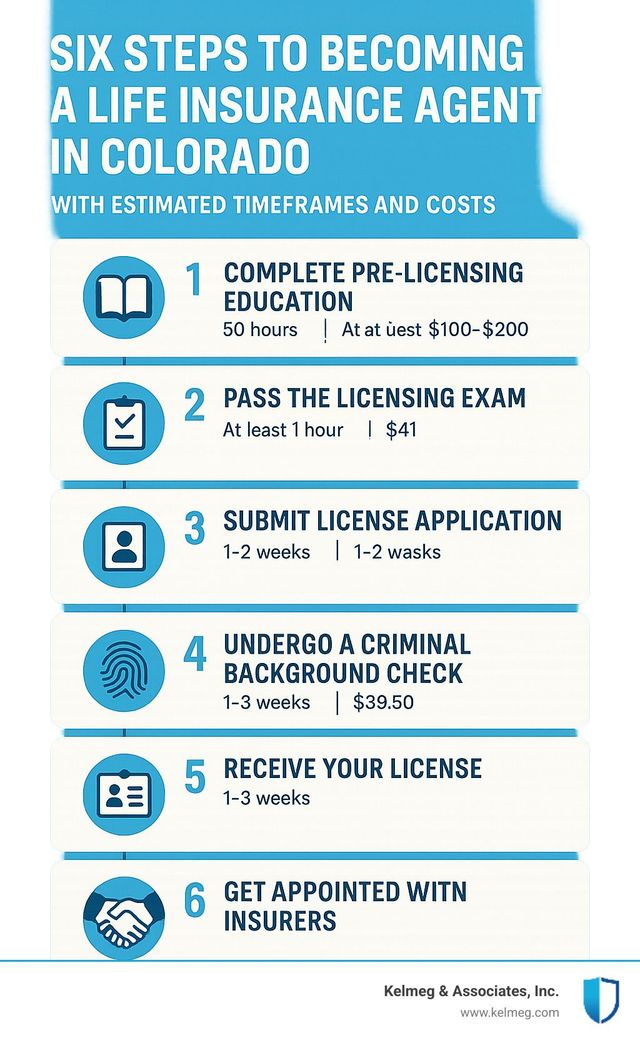
Get Appointed With Insurance Companies
Having a license does not mean you can sell any company’s insurance right away. You must get appointed by each insurance company you want to represent. The appointment process is like applying for a job with each company.
Steps to get appointed:
- Choose the companies whose products fit your market (for example, affordable term life if you target young families).
- Apply for appointment. The company will check your background and license.
- Complete their onboarding process (training, paperwork).
- Get your writing number (your agent ID for that company).
Practical Tip: Do not try to get appointed with too many companies at first. Start with 2–3 companies, learn their products well, and add more as you grow.
Common Mistake: Some agents get excited and sign up with every company. This can be overwhelming and hard to manage.
Learn The Products You Will Sell
Even simple life insurance products have details that matter. Take time to study the products you will offer. Know their strengths, weaknesses, and who they are best for.
Focus on:
- Term life: Lower cost, covers a set period (e.g., 20 years).
- Whole life: Lasts for life, builds cash value, higher cost.
- Universal life: Flexible payments, cash value grows over time.
Companies often offer online training. Take these courses and ask questions. Practice explaining the products in simple words. For example, “Term life gives your family money if you die within the next 20 years. Whole life gives coverage for your whole life and builds savings you can use later.
”
Non-obvious Insight: The best agents are not the ones who know the most products. They are the ones who can explain a few products very well.
Complete Any Additional Training
Some states or companies require extra training before you can start selling. This may include courses on ethics, anti-money laundering, or special products like annuities.
Check:
- Your state’s continuing education requirements
- Company onboarding or compliance training
Completing this training early prevents delays when you find your first clients.
Set Up Your Business Basics
If you become an independent agent, you need to handle some business basics:
- Get an office space: This can be a home office or a small rented office.
- Open a business bank account: Keep business and personal money separate.
- Buy errors and omissions (E&O) insurance: This protects you if you make a mistake.
- Set up a client management system: Even a simple spreadsheet helps you keep track of prospects, clients, and follow-ups.
Practical Example: Many agents use free tools like Google Sheets for tracking clients in the beginning. Later, you can upgrade to special insurance software.

Build A Prospecting Plan
Finding clients is the key to your success. Many new agents struggle because they do not have a plan to find prospects.
Ways to find clients:
- Talk to friends and family (your “warm market”)
- Join local networking groups or business clubs
- Use social media (e.g., LinkedIn, Facebook)
- Attend community events and seminars
- Ask for referrals from happy clients
Set a goal for how many people you will contact each week. For example, aim to talk to 10 new people about life insurance every week.
Non-obvious Insight: Most sales come after the 5th contact. Do not give up if people do not buy on the first try. Follow up politely and offer help, not just a sales pitch.
Master The Sales Process
Selling life insurance is different from selling other products. People are often unsure or afraid to talk about life and death. You need to build trust and explain things simply.
Steps to a strong sales process:
- Ask questions: Find out what matters to your client (e.g., “What would happen to your family if you were not here?”).
- Listen carefully: Do not rush to sell. Understand their needs.
- Explain clearly: Use stories and real examples.
- Handle objections: Be ready for questions like “Isn’t this too expensive?” or “Do I really need insurance?”
- Help them apply: Guide them through the paperwork and what happens next.
Confidence Tip: Practice your sales talk with family or friends. Get feedback on what is clear and what is confusing.
Stay Compliant And Keep Learning
Insurance is a regulated business. To protect your license and reputation, always follow the rules. Keep your records organized and be honest with clients.
Stay up-to-date by:
- Completing your continuing education on time
- Reading updates from your state insurance department or the companies you represent
- Attending workshops and webinars
Common Mistake: Ignoring compliance can lead to lost commissions, fines, or even losing your license.
Track Your Progress And Set Goals
Success does not happen by accident. Set clear goals and check your progress often.
For example:
- How many clients do you want this month?
- How much commission do you want to earn?
- How many appointments do you need to reach your goals?
Here’s a simple way to track your activities:
| Week | People Contacted | Appointments Set | Policies Sold |
|---|---|---|---|
| 1 | 20 | 5 | 2 |
| 2 | 18 | 6 | 3 |
| 3 | 25 | 7 | 2 |
Adjust your activities if you are not meeting your targets.
Build Your Reputation
Trust is everything in life insurance. People want to work with someone who is honest, reliable, and cares about their needs.
Ways to build your reputation:
- Be on time for appointments
- Return calls and emails quickly
- Do what you say you will do
- Ask for reviews or testimonials from happy clients
Over time, good service leads to more referrals and a stronger business.
Leverage Technology
Using the right tools can save time and help you reach more clients.
Helpful tools:
- Customer relationship management (CRM) software: Keeps track of clients and follow-ups
- E-signature apps: Clients can sign documents online
- Video meeting platforms: Meet clients without leaving your office
Practical Tip: Start simple. Even just using your smartphone’s calendar and contacts can help you stay organized at the beginning.
Connect With A Mentor Or Network
Success is easier when you have support. Find a mentor or join a network of other agents. They can answer your questions, share ideas, and encourage you when things are tough.
Ways to connect:
- Join your state or local insurance association
- Attend industry events or online webinars
- Look for Facebook or LinkedIn groups for insurance agents
Non-obvious Insight: Many top agents say their first mentor made a big difference in their success. Do not be afraid to ask questions or seek advice.
Frequently Asked Questions
What Is The Difference Between A Life Insurance Agent And A Broker?
A life insurance agent usually works for one company and sells only that company’s products. A broker works with many companies and helps clients find the best policy for their needs. Both need a license, but brokers have more options for clients.
How Do I Keep My Life Insurance License Active?
You must renew your license before it expires, usually every 1 or 2 years. Most states require you to complete continuing education hours. Check your state’s rules for specific requirements.
Can I Sell Life Insurance In Other States?
Yes, but you must apply for a non-resident license in each state where you want to sell. Each state has its own process and fees. Start with your home state and expand as your business grows.
How Much Can A New Life Insurance Agent Earn?
Earnings vary widely. Many new agents earn $30,000–$50,000 in their first year. Top agents can earn much more with experience and a strong client base. Your income depends on your effort, sales skills, and the types of policies you sell. For more information, see the U.S. Bureau of Labor Statistics.
What If I Make A Mistake On A Policy?
If you make a mistake, tell your client and your company right away. Having errors and omissions insurance can protect you from losing money if the mistake causes a problem. Always double-check your work and ask for help if you are unsure.
—
Starting your career as a life insurance agent is both exciting and challenging. By understanding your license, choosing the right work path, learning your products, and building a plan for success, you set yourself up for a rewarding future. The journey does not stop at getting your license—the real growth comes from helping others and building lasting relationships.
Stay focused, keep learning, and you will find success in the life insurance industry.