
Choosing the right life insurance can feel overwhelming. You want to protect your loved ones, but with so many options and confusing terms, where do you start?
What if you could cut through the noise and find the best policy that fits your needs and budget? This guide is here to help you do just that. By the end, you’ll know exactly how to get the best life insurance without wasting time or money.

Keep reading—your peace of mind depends on it.
Types Of Life Insurance
Life insurance comes in several types. Each type serves a different purpose and suits different needs. Knowing the main types helps you choose the right policy.
Term Life Insurance
Term life insurance covers you for a set period. It lasts for 10, 20, or 30 years. If you pass away during this time, your family gets a payout. This type is usually the cheapest. It provides pure protection without any savings or investment.
Whole Life Insurance
Whole life insurance covers you for your entire life. It also builds cash value over time. The premiums stay the same throughout the policy. This type combines protection with a savings feature. You can borrow from the cash value if needed.
Universal Life Insurance
Universal life insurance offers flexible premiums and coverage. You can adjust your payments and death benefit. It also builds cash value with interest. This type suits people wanting more control over their policy. The cash value can grow faster than whole life.
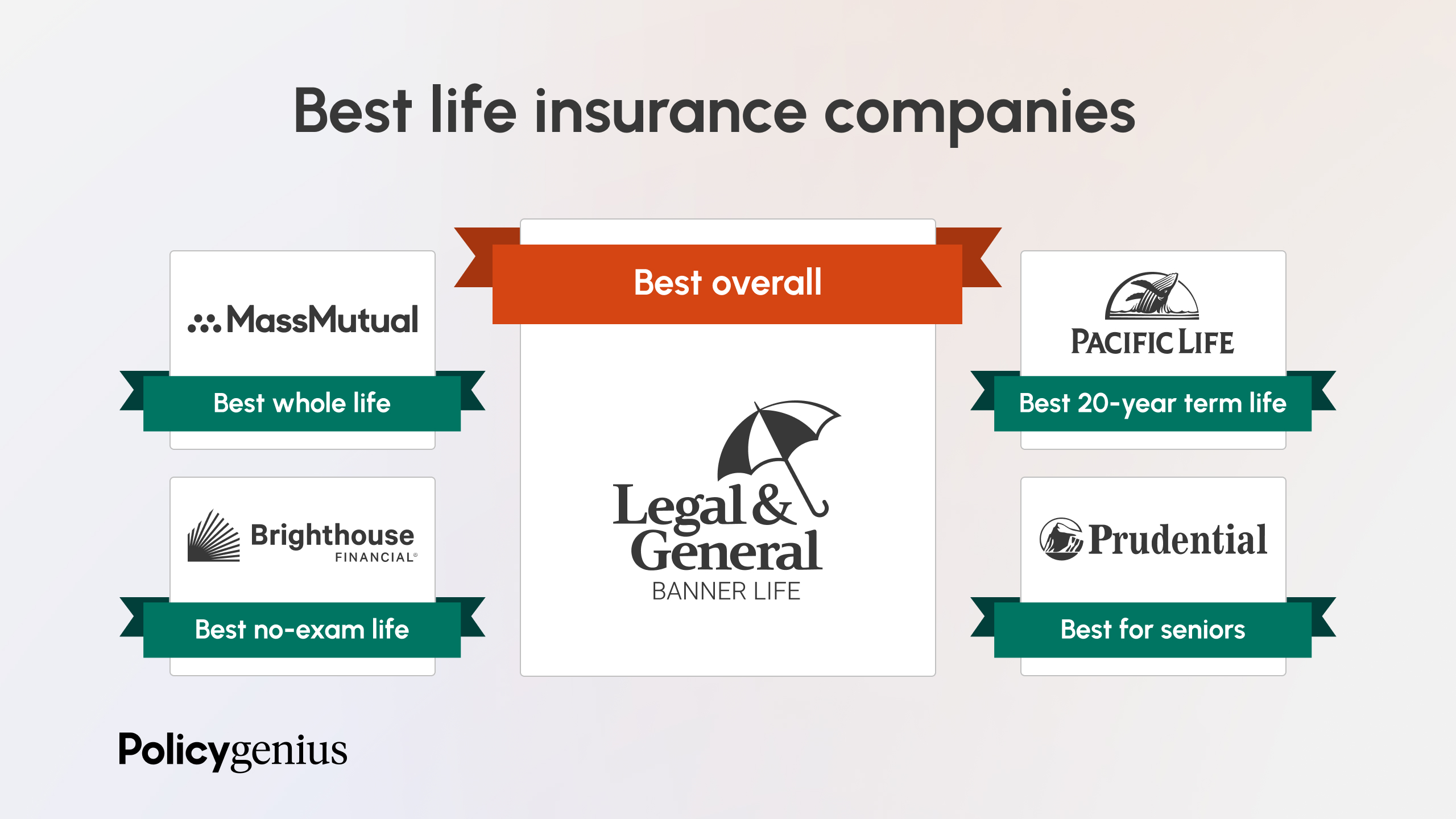
Credit: www.policygenius.com
Assessing Your Coverage Needs
Assessing your life insurance coverage needs is a crucial first step. It helps ensure your family stays protected financially. You need the right amount of coverage for peace of mind. Too little coverage may leave gaps. Too much coverage can mean unnecessary costs. Careful evaluation of your needs guides you to the best policy.
Calculating Financial Obligations
Start by listing all your current debts. This includes mortgages, car loans, and credit card balances. Add any personal loans you must repay. Don’t forget unpaid bills or medical expenses. Your coverage should cover these debts fully. This prevents your family from facing financial burdens.
Considering Future Expenses
Think about upcoming costs your family may face. Education fees for children are a big one. Also consider weddings or major medical costs. Include any planned large purchases or renovations. Your life insurance should help meet these future expenses. It ensures your family’s needs are met long term.
Evaluating Income Replacement
Your life insurance should replace lost income. Calculate how much your family needs monthly to live comfortably. Include everyday expenses like food, utilities, and transportation. Also add savings for emergencies or retirement. Aim to cover income for several years after you are gone.
Choosing The Right Policy
Choosing the right life insurance policy is key to protecting your family and finances. It is important to find a plan that fits your needs and budget. Understanding the details helps you make the best choice.
Comparing Policy Features
Different policies offer different features. Some provide coverage for a set time, others last for life. Look at the coverage amount and how long it lasts. Check if the policy builds cash value or just pays out upon death. Compare what each plan includes and excludes. This helps you find the best match for your goals.
Understanding Premiums And Benefits
Premiums are what you pay for your insurance. They can be fixed or change over time. Lower premiums might mean less coverage or more limits. Higher premiums often mean better benefits. Look at how much you pay and what you get back. Know the payment schedule and if it fits your budget. Benefits should cover your family’s needs after you pass away.
Riders And Add-ons
Riders are extra options to customize your policy. They can add important coverage like critical illness or disability. Some riders increase the death benefit or waive premiums if you get sick. Add-ons make your policy flexible and stronger. Choose riders that fit your health and financial situation. They help protect you from unexpected events.
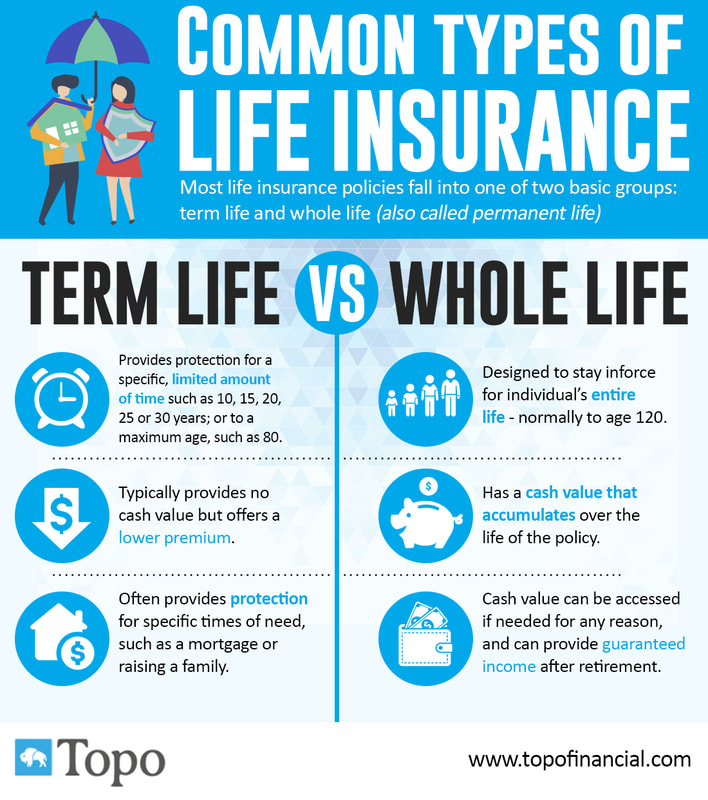
Credit: www.topofinancial.com
Finding Reliable Providers
Finding a reliable life insurance provider is crucial for peace of mind. Your provider must be trustworthy and able to pay claims. This section shows simple ways to identify the best companies.
Checking Financial Strength
Financial strength shows a company’s ability to pay claims. Check ratings from agencies like A.M. Best or Moody’s. Higher ratings mean better stability. Avoid companies with weak financial scores.
Reading Customer Reviews
Customer reviews reveal real experiences with providers. Look for comments on claim handling and customer service. Positive reviews show good service. Negative ones may warn of problems.
Consulting Insurance Agents
Agents know the market and can guide you. They explain policies and help compare options. Choose agents who work for your interests, not just sales. Ask questions to understand your choices better.
Improving Your Eligibility
Improving your eligibility for life insurance can make a big difference in the rates you pay and the coverage you get. Insurance companies look at many factors before approving your application. Taking steps to improve your health and organization can help you qualify for better terms.
Maintaining Good Health
Insurance providers prefer applicants in good health. Regular exercise helps keep your heart and lungs strong. Eating balanced meals supports your immune system. Avoiding excess weight lowers your risk of many diseases. Regular checkups help catch problems early. Staying healthy shows insurers that you are less risky.
Avoiding Risky Behaviors
Insurance companies assess risks carefully. Smoking raises your premiums or can lead to denial. Avoid alcohol abuse as it affects your health. Dangerous hobbies like skydiving or racing increase your risk profile. Safe driving records also improve your chances. Reducing risky behaviors makes you a better candidate.
Organizing Medical Records
Clear medical records speed up the approval process. Keep copies of your test results and doctor notes. Include details about any treatments or medications. This helps insurers see your true health status. Being organized shows you take your health seriously. It also reduces delays and confusion during underwriting.
Maximizing Coverage Affordably
Maximizing life insurance coverage without spending too much is possible. It requires smart choices and regular attention to your policy. Small changes can make a big difference in your coverage and costs.
Start by combining your insurance needs. Look at your payment options. Keep your policy updated to fit your life.
Bundling Policies
Buy more than one policy from the same company. This often leads to discounts on premiums. For example, combine life insurance with auto or home insurance. Bundling saves money and simplifies payments. It also makes managing your insurance easier.
Choosing Payment Plans
Pick a payment plan that fits your budget. Some companies offer monthly, quarterly, or yearly payments. Paying yearly might give you a lower total cost. Monthly payments can help spread out expenses. Choose the plan that keeps your payments affordable and consistent.
Regularly Reviewing Your Policy
Check your policy every year. Life changes like marriage, having kids, or new debts affect your coverage needs. Adjust your policy to match your current situation. This keeps you from paying for unnecessary coverage or being underinsured. Regular reviews ensure your protection stays strong and cost-effective.

Credit: www.annuityexpertadvice.com
Frequently Asked Questions
What Factors Affect Life Insurance Premiums?
Life insurance premiums depend on your age, health, lifestyle, and coverage amount. Insurers assess these to calculate your risk level. A healthier lifestyle and younger age usually mean lower premiums. Your occupation and smoking status also influence rates. Comparing quotes helps find the best price.
How Do I Choose The Right Life Insurance Policy?
Identify your financial goals and coverage needs first. Decide between term or whole life insurance based on budget and duration. Consider factors like premium affordability, policy flexibility, and company reputation. Reviewing your beneficiaries and policy terms ensures the best fit for your situation.
Can I Get Life Insurance With Pre-existing Conditions?
Yes, but coverage and premiums vary widely. Some insurers offer policies with higher rates or waiting periods. Full disclosure of medical history is crucial. Specialized insurers or guaranteed issue policies may be options. Consulting an expert helps find suitable coverage despite health issues.
When Should I Review My Life Insurance Policy?
Review your policy annually or after major life events. Marriage, having children, or buying a home are key times. Changes in income or health also warrant a review. Regular checks ensure your coverage matches current needs and financial goals.
Conclusion
Choosing the right life insurance protects your family’s future. Compare different plans and costs carefully. Think about your needs and what you can afford. Ask questions and read all the details. A good life insurance plan gives peace of mind.
Take your time to find a policy that fits you best. Your loved ones deserve security and support. Start today, so you feel safe tomorrow. Simple steps lead to smart choices. Keep your family’s future bright and secure.