
Many people wonder if a loved one has a life insurance policy, especially during difficult times such as after a death. Life insurance can provide important financial support to families, but these policies are sometimes forgotten or not discussed openly. Finding out if someone has life insurance is not always simple. Policies can be hidden in paperwork, managed online, or purchased many years ago. This article explains practical ways to discover if someone has life insurance, common challenges, and tips for a successful search.
Why Knowing Matters
Life insurance can pay for funeral costs, debts, and living expenses after someone passes away. According to the Insurance Information Institute, over 50 million American households have life insurance, but many beneficiaries are unaware. In 2022, over $200 billion in life insurance benefits were paid out in the US, showing its big impact. Missing out on a policy means families could lose important support.

Where To Start Your Search
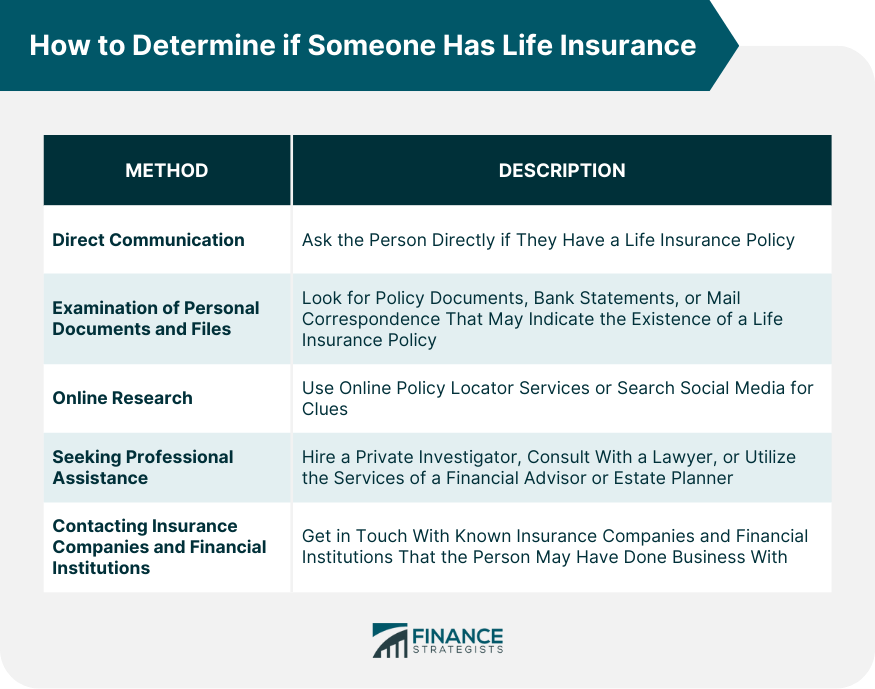
The first step is to check for obvious clues. Many people leave paperwork, digital records, or payment trails. Here are common places and methods to begin:
1. Check Personal Documents
Look through files, safe deposit boxes, or home safes for policy documents, statements, or letters from insurance companies. Titles like “Life Insurance Policy” or company names are good signs.
2. Review Bank Statements
Regular payments to insurance companies often show up as monthly or yearly charges. Search for company names like MetLife, Prudential, or New York Life.
3. Contact Employers
Many people get group life insurance through work. Human resources departments can confirm if a policy exists and who the beneficiaries are.
4. Look For Mail Or Email
Statements, premium notices, or annual summaries can arrive by mail or email. Check email inboxes and spam folders for messages from insurance providers.
5. Ask Family Members Or Advisors
Sometimes, close family, lawyers, or financial advisors know about existing policies. A direct question can sometimes reveal what is hidden.
Advanced Search Methods
If you do not find clear evidence, use more detailed steps to trace a life insurance policy.
Contact Insurance Companies
If you suspect a policy with a specific company, call their customer service. You may need proof of your relationship (like a death certificate and ID) and some details about the person.
Use Life Insurance Policy Locator Services
The National Association of Insurance Commissioners (NAIC) offers a free locator tool. You submit information online, and they check with insurers. Most US states also have departments that will help you search.
Search Unclaimed Property Databases
Unclaimed life insurance benefits may be turned over to state agencies if not claimed. Visit your state’s unclaimed property website and search by the person’s name.
Check With Professional Groups
Some people buy policies through unions, alumni associations, or other groups. Contact these organizations to ask if the person had a policy.
Common Challenges
Searching for life insurance is not always easy. Here are a few challenges you might face:
- Old or Lost Policies: Older policies may be under old company names due to mergers.
- No Digital Trail: Some people never set up online accounts, making it hard to find information.
- Privacy Laws: Companies will only share details if you are a legal beneficiary or executor.
- No Central Database: There is no single national database for all life insurance policies in the US.
Credit: choicemutual.com
Example: Comparing Search Tools
To make things clearer, here is a comparison of common life insurance policy search tools:
| Method | Cost | Success Rate | Response Time |
|---|---|---|---|
| NAIC Policy Locator | Free | High | 30-60 days |
| State Unclaimed Property | Free | Medium | Varies |
| Contacting Insurers Directly | Free | Medium | 1-4 weeks |
| Third-Party Search Firms | $50-$200 | Low | 2-8 weeks |
What Information You’ll Need
When contacting companies or using search tools, gather these details:
- Full legal name
- Social Security number
- Date of birth and death
- Last known address
- Name of employer (if applicable)
- Proof of relationship (for privacy reasons)
Having the correct information can speed up the process and prevent delays.
Digital Footprints
As more people manage their finances online, digital records become important. Search for:
- Policy documents in email or cloud storage
- Online insurance portals (try “forgot password” with known emails)
- Digital payment services (PayPal, Venmo, etc.)
A practical tip: If you find a login for a company like New York Life, but no policy document, call their support. They can confirm if a policy exists.
Example: Recognizing Insurance Companies
Some insurance companies change names after mergers, making policies harder to find. Here is a small sample of company name changes:
| Old Name | Current Name |
|---|---|
| John Hancock Mutual | John Hancock Life |
| Travelers Life | MetLife |
| American General | AIG |
If you see an unfamiliar company name, a quick web search can clarify if it is part of a major insurer.
Credit: www.financestrategists.com
Two Insights Many People Miss
First, policies are often hidden in group coverage through jobs or organizations, and beneficiaries forget to check these. Second, small whole life policies bought decades ago (sometimes for children) may still be active and have cash value even if the owner forgot about them.
Extra Support
If you need more help, some states provide free consumer assistance. Also, check the NAIC consumer resources for updates and guidance.
Credit: choicemutual.com
Frequently Asked Questions
How Long Does It Take To Find Out If Someone Has Life Insurance?
It can take from a few days to several weeks. Quick searches of documents or emails work fast. Using policy locators or state databases may take 30-60 days.
What If I Find An Old Policy? Is It Still Valid?
Most life insurance policies do not expire unless they are term policies past their end date. Even old “whole life” or “universal life” policies may pay out if premiums were kept up.
Can I Find A Policy If I Am Not A Family Member?
Usually, only legal beneficiaries, executors, or next of kin can get policy details. Companies protect privacy by law.
What Should I Do If I Find A Policy?
Contact the insurance company listed. They will ask for a death certificate, your ID, and proof of your relationship to process the claim.
Do All Policies Pay Out Automatically?
No, most require a claim. If no one knows about the policy, the money may stay with the company until claimed or go to state unclaimed property.
Finding out if someone has life insurance can be challenging, but with a careful search and the right information, families can recover important benefits. Being thorough and persistent often makes the difference.